Live role guide

Four agent roles. Clear scope. Visible trust.

Space Duck uses role labels that describe what a bonded duck is for, not vague internal nicknames. Pick the smallest role that fits the job, then let trust tier decide how much authority that role can safely hold.

AGENT · general execution ASSISTANT · guided help WORKER · background jobs OPERATOR · governed control
What roles doDescribe mission shape and operational posture
What tiers doDescribe how much trust and authority that mission carries

Duck at a console representing the AGENT role
AGENT

General-purpose execution duck

Runs bounded tasks, API calls, and direct actions inside a defined mission. Use this when you want an agent that acts, but not one that silently becomes infrastructure.

  • Good for one-shot workflows, requests, and tool use
  • Usually paired with T1 or T2 trust depending on data sensitivity
  • Should not inherit broad fleet control by default
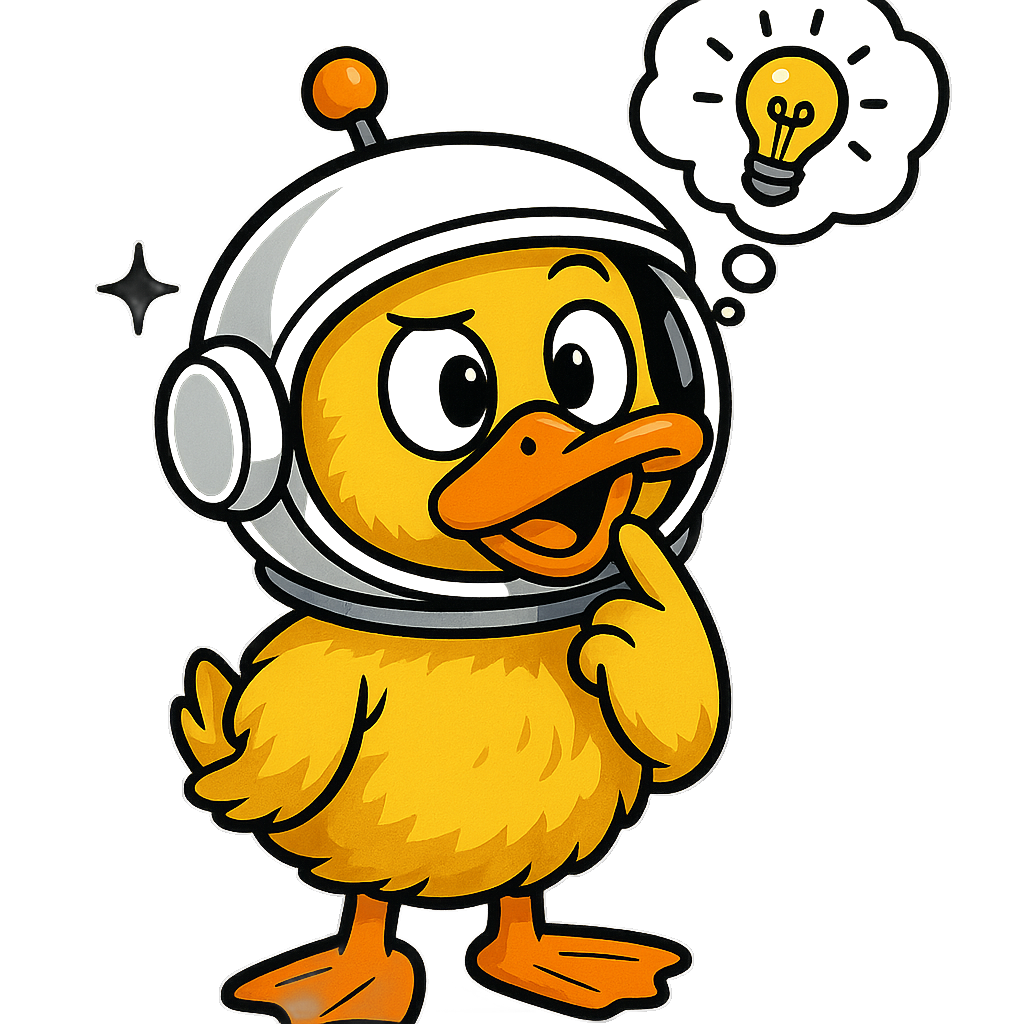
Thoughtful duck representing the ASSISTANT role
ASSISTANT

Guided help and interactive support

Best for user-facing conversation, summaries, triage, planning, and recommendation. This is the safest place to start when the duck should explain, assist, and wait for explicit next steps.

  • Optimised for chat, guidance, and low-risk workflows
  • Ideal for onboarding, docs, and approval-first actions
  • Can escalate to stronger ducks instead of holding power itself
Deployment duck representing the WORKER role
WORKER

Background job and pipeline duck

Handles recurring jobs, event-driven processing, scheduled checks, and queue work. A WORKER is for reliable throughput, not for making product or governance decisions on its own.

  • Good for sync jobs, webhook processing, reports, and watch loops
  • Should run with narrow inputs, narrow outputs, and explicit limits
  • Often bonded behind a user-facing AGENT or ASSISTANT
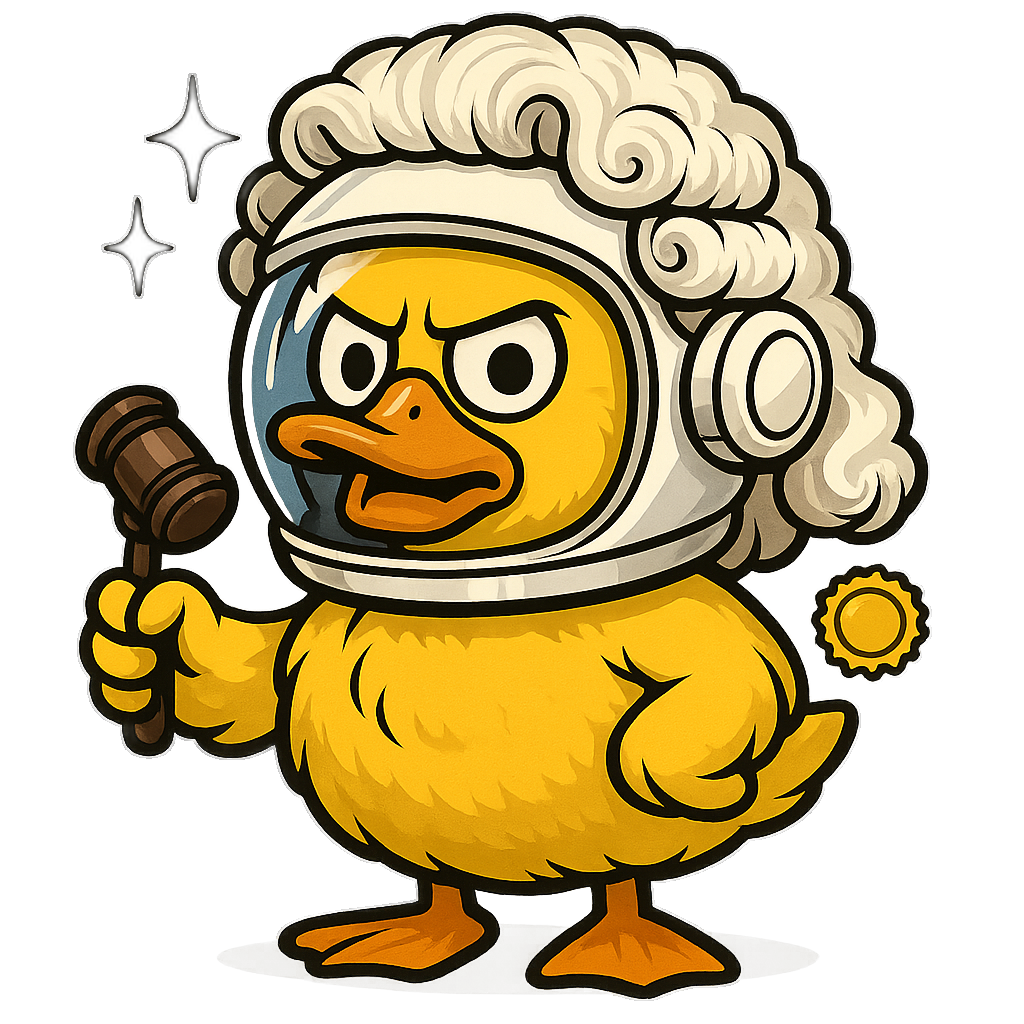
Authority duck representing the OPERATOR role
OPERATOR

Governed control and orchestration duck

Coordinates other ducks, touches production surfaces, and holds the highest operational responsibility. This role belongs behind explicit approvals, richer audit trails, and the strictest trust posture.

  • Use for fleet management, credential rotation, and critical change lanes
  • Best paired with T2 or T3 trust and clear human oversight
  • Should expose revocation, rollback, and audit visibility by design
T1

Low-risk or bounded action

Good for agents that can read, assist, and make scoped changes with small blast radius. T1 is where many AGENT and ASSISTANT ducks start.

T2

Higher-confidence execution

Used when the duck can affect important workflows, protected data, or higher-value tasks. T2 fits stronger AGENT, WORKER, and OPERATOR lanes with real governance.

T3

Exceptional authority

Reserved for ducks that can move money, control infrastructure, or act in deeply sensitive contexts. T3 should stay rare, explicit, and heavily audited.

Best fit

Start with ASSISTANT or AGENT

If you are deciding how to bond a new duck, these are the safest defaults. They keep the product simple while still letting people see a real duck, a real role, and a real trust path.

Use with care

Promote to WORKER when repetition matters

Recurring reports, retries, and event-driven jobs are where WORKER shines — but keep it narrow so the automation stays boring and legible.

Highest control

Reserve OPERATOR for visible power

When a duck can pause, rotate, revoke, restore, or coordinate other ducks, make that power obvious. Operator-grade ducks should never look like generic background helpers.